

Metodología de gestión de proyectos
Una definición muy simple de un director de proyecto sería aquel que realiza la gestión del proyecto, por lo es básico conocer alguna metodología de dirección de proyectos para poder dedicarse a esta profesión. Si nos basamos en la definición del PMI (ir a la página del PMI), la gestión de proyectos sería la aplicación de herramientas, conocimientos, habilidades, y técnicas para conseguir los objetivos del proyecto, lo cual ha generado múltiples metodologías de gestión de proyectos según diferentes enfoques. Entre estas podemos destacar:
Metodologías con enfoque tradicional
Las metodologías de gestión de proyectos tradicionales son bastante habituales en el ámbito industrial o construcción, y consiste en dividir el proyecto en diferentes procesos que se ejecutan de forma secuencial hasta conseguir los objetivos del proyecto o la fase. Estos procesos son:
- Inicialización: definición inicial del proyecto y fase, junto con la aprobación de su inicio.
- Planificación: desarrollo de los diferentes planes de gestión
- Ejecución: realización de las tareas planificadas en la fase anterior con objeto de completar los entregables
- Seguimiento y control: supervisión de las tareas ejecutadas, comparación con la planificación (líneas base), y definición y aplicación de contramedidas en caso de desviaciones.
- Cierre: finalización de la fase o proyecto, bien por haber conseguido la aprobación del conjunto de entregables, por no ser posible conseguir estos, o porque el proyecto ha dejado de tener motivo de ser. Esta finalización formal conlleva la liberación de los recursos que participaban del proyecto y la realización realimentación del proceso con las lecciones aprendidas.
 Fíjate que se está hablando indistintamente de fase o proyecto, esto es así debido al concepto de ciclo de vida del proyecto. Esto es la división del proyecto en fases, de tal forma que este se ejecuta de forma secuencial, acercándonos de forma progresiva al objetivo final a través de la consecución de los objetivos parciales de cada fase. Existen diferentes asociaciones que desarrollan, forman, y certifican en esta metodología como el PMI (ir a la página del PMI) o el IPMA (ir a la página del IPMA), siendo la certificación más conocida la del PMP

Prueba gratis programas de gestión de proyectos
Infórmate gratis sobre cursos de certificación PMP
Metodología PRINCE 2
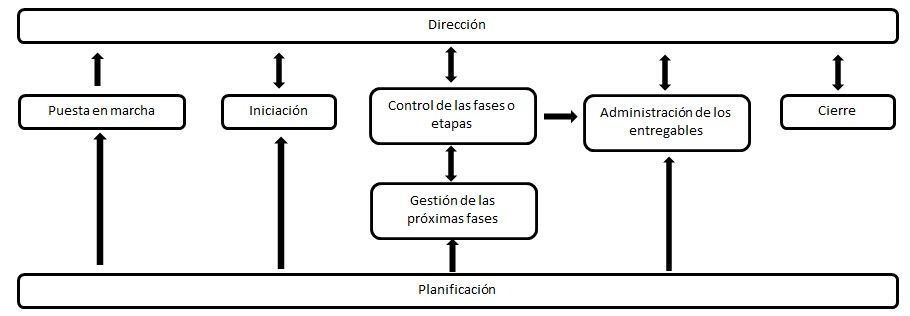
A diferencia del enfoque tradicional, esta metodología de gestión de proyectos está basada en el producto, por lo que sus procesos se centran en obtener resultados concretos más que en la planificación de las actividades. De forma similar a la metodología anterior, está también divide en diferentes procesos:
- Puesta en marcha: descripción del proyecto, equipo, enfoque, y objetivos del proyecto o fase.
- Iniciación: preparación y acuerdo del business case del proyecto o fase
- Planificación: planificación de los diferentes aspectos del proyecto o fase
- Dirección: determinación de la forma en que se controlará el proyecto o fase, autorizaciones, y planificaciones de las siguientes fases
- Control de las fases o etapas: igual que en la metodología anterior el proyecto puede estar dividido en fases, por lo que se deben supervisar y presentar los resultados de cada una de estas fases.
- Gestión de las próximas fases: definición de lo que debe realizarse al final de cada fase y planificación de las siguientes. También se define la forma de actuar y se actualiza el plan en caso de haberse superado los niveles de tolerancia de la fase.
- Administración de los entregables: acuerdo y definición de requisitos de aceptación para los entregables, incluyendo contenido, coste, recursos, y fechas.
- Cierre: actividades de cierre del proyecto y asignación formal de este a los responsables de sus últimos detalles. Incluye la evaluación formal.
Metodología AGILE
Las metodologías de gestión de proyectos basadas en AGILE son ampliamente usadas en el sector IT y proyectos de organización empresariales, que tiene como principal virtud la flexibilidad y capacidad de modificar el producto a lo largo del proyecto, ya que estos se van usando al mismo tiempo que se desarrollan. Esta metodología está promovida por el por el Agile Leadership Network ( Visitar la página de Agile Leadership Network ).
- Inicio: se escoge del total de objetivos del producto aquellos que serán implementados en el sprint, debiendo ser capaces de generar un producto funcional. En base a estos objetivos se define la duración del sprint (entre una semana y un mes), y las tareas que lo componen.
- Desarrollo del sprint: el equipo del proyecto planifica y ejecuta las tareas, las cuales se van supervisando en reuniones diarias donde se miran las tareas ejecutadas, en curso, y pendientes, así como posibles impedimentos y restricciones.
- Cierre: al final del sprint se revisa que se hayan completado las tareas y objetivos definidos al inicio mediante la presentación de un producto funcional. El ensayo de este producto por parte del cliente puede hacer variar los objetivos del proyecto o su prioridad.
La posibilidad de tener un producto funcional y utilizable al final de cada sprint permite ir ajustando los objetivos del proyecto, y por tanto asegurar mejor que el producto final cumplirá con las expectativas del usuario. A parte, la comercialización de estos sprints permite avanzar los ingresos generados por el proyecto, mejorando su rentabilidad.
Infórmate gratis de cursos en AGILE
Visita nuestra recopilación de libros de AGILE
Dentro de estas metodologías se encuentra el Extrem Manufacturing que combina Scrum con Kanban y Kaizen.
Las metodologías de gestión de proyectos presentadas hasta el momento son las aplicadas a proyectos dentro del ámbito más industrial o tradicional (quizás menos en el caso de AGILE que se usa mucho en desarrollo de software), pero encontramos muchas otras metodologías dentro del ámbito de la informática que están en continuo desarrollo. Entre ellas podríamos destacar:
- ITIL (Information Technology Infrastructure Library)
- Extrem Programing (aplicación del concepto de AGILE a la programación)
- Rational Unified Process (RUP)
- Microsoft Solution Framework (MSF)
En la práctica la metodología de gestión de proyectos a usar nos va a venir determinada por la organización donde ejecutemos el proyecto, aunque siempre en conveniente usar aquella que mejor se adapte a la tipología del proyecto. No vamos a ganar nada usando AGILE en la construcción de un puente, porque hasta que este no esté completo no va a ser funcional.
Metodología de Cadena crítica
Es una metodología de gestión de proyectos basada en la teoría de las restricciones (TOC), pensada para maximizar el avance del proyecto, teniendo en consideración que los proyectos están sometidos a incertidumbre y una serie de limitaciones.
Esta metodología se basa en aplicar estos tres principios:
- Identificación de las restricciones que afectan al proyecto: normalmente esta restricción se muestra como el conjunto de tareas, que bien por limitaciones temporales o de recursos, definen la duración mínima del proyecto. Esto se llama la cadena crítica, o camino critico cuando no se tiene en cuenta la restricción introducida por los recursos.
- Dar prioridad a las tareas dentro de la cadena crítica: los esfuerzos del director de proyecto deben centrarse en la ejecución de aquellas tareas que formen parte de la cadena crítica, ya estas determinarán la finalización del proyecto.
- Subordinar el resto de tareas a las tareas en la cadena crítica
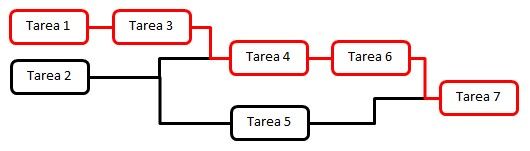 Aunque se define como una metodología diferente al resto, personalmente la encuentro totalmente compatible con el enfoque tradicional dentro de los procesos de planificación y seguimiento. Tiene como gran ventaja el focalizar la dirección del proyecto en aquellos puntos que realmente son importantes, permitiendo reducir y gestionar mejor los conflictos, e incrementar la eficiencia del director de proyectos. Como desventaja destacar que requiere una planificación mucho más sofisticada, sobretodo en situaciones de multiproyecto, lo que no siempre es posible de aplicar en empresas con poca cultura de dirección de proyectos.
Resources to prepare certifications in project management
Project management methodology A very simple definition of a project manager would be one who performs the project management, so it is basic to know some methodology of project management to be able to dedicate to this profession. If we rely on the PMI definition (go to the PMI page), project management would be the application of tools, knowledge, skills, and techniques to achieve project objectives, which has generated multiple project management methodologies According to different approaches. Among these we can highlight:
Methodologies with a traditional approach
The traditional project management methodologies are quite common in the industrial or construction sector, and consists of dividing the project into different processes that are executed in a sequential manner until achieving the objectives of the project or phase. These processes are:
Initialization: initial definition of the project and phase, together with the approval of its start.
Planning: development of different management plans
Execution: accomplishment of the tasks planned in the previous phase in order to complete the deliverables
Monitoring and control: monitoring of the tasks performed, comparison with planning (baselines), and definition and implementation of countermeasures in case of deviations.
Closing: completion of the phase or project, either by having obtained the approval of the set of deliverables, because it is not possible to obtain these, or because the project is no longer necessary. This formal finalization entails the release of the resources that participated in the project and the realization of the process feedback with the lessons learned. Methodologies project management – traditional approach Note that we are talking about phase or project interchange, this is due to the concept of project life cycle. This is the division of the project in phases, so that it runs sequentially, progressively approaching the final goal through the achievement of the partial objectives of each phase. There are different associations that develop, form, and certify in this methodology such as the PMI (go to the PMI page) or the IPMA (go to the IPMA page), being the most known certification the PMP
PRINCE 2 Methodology
Unlike the traditional approach, this project management methodology is based on the product, so its processes are focused on obtaining concrete results rather than planning activities. Similar to the previous methodology, it is also divided into different processes:
Start-up: description of the project, equipment, approach, and objectives of the project or phase.
Initiation: preparation and agreement of the business case of the project or phase
Planning: planning of the different aspects of the project or phase
Direction: determination of how the project will be controlled or phase, authorizations, and planning of the following phases
Control of phases or stages: as in the previous methodology the project can be divided into phases, so that the results of each of these phases must be monitored and presented.
Management of the next phases: definition of what should be done at the end of each phase and planning of the following phases. It also defines how to act and updates the plan in case of exceeding the tolerance levels of the phase.
Delivery management: agreement and definition of acceptance requirements for deliverables, including content, cost, resources, and dates.
Closure: closing activities of the project and formal assignment of this to those responsible for their last details. Includes formal evaluation.
Project management methodologies
AGILE Methodology
The project management methodologies based on AGILE are widely used in the IT sector and business organization projects, whose main virtue is the flexibility and ability to modify the product throughout the project, since these are used at the same time That are developed. This methodology is promoted by the Agile Leadership Network (Visit the Agile Leadership Network page).
This methodology is based on dividing the project into phases (sprints), the result of which is a product with a series of functionalities that already allow it to be used. These phases take place until the total of the S functionalities defined for the product. In a schematic way these phases are composed of the following: Start: the total of objectives of the product is chosen those that will be implemented in the sprint, being able to generate a functional product.
Based on these objectives, the duration of the sprint (between a week and a month), and the tasks that compose it are defined. Sprint development: the project team plans and executes the tasks, which are supervised in daily meetings where The tasks executed, current and pending, as well as possible impediments and restrictions are observed. Closing: at the end of the sprint it is checked that the tasks and objectives defined at the beginning have been completed by the presentation of a functional product. The test of this product by the client can vary the objectives of the project or its priority. The possibility of having a functional and usable product at the end of each sprint allows adjusting the objectives of the project, and therefore better ensure that the product End will meet user expectations.
In addition, the commercialization of these sprints allows to advance the income generated by the project, improving its profitability.Info free of courses in AGILEVisita our compilation of books of AGILED of these methodologies is the Extrem Manufacturing that combines Scrum with Kanban and Kaizen.Las Project management methodologies presented so far are those applied to projects within the more industrial or traditional scope (perhaps less so in the case of AGILE that is widely used in software development), but we find many other methodologies in the field of informatics Which are in continuous development.
Among them we could highlight: ITIL (Information Technology Infrastructure Library) Extrem Programing (application of the AGILE concept to programming) Rational Unified Process (RUP) Microsoft Solution Framework (MSF) In practice the project management methodology to be used will To be determined by the organization where we execute the project, although always convenient to use the one that best suits the typology of the project. We will not gain anything using AGILE in the construction of a bridge, because until it is not complete it will not be functional.
Critical Chain Methodology
It is a methodology of project management based on the theory of restrictions (TOC), designed for Maximize the progress of the project, taking into consideration that projects are subject to uncertainty and a number of limitations. This methodology is based on applying these three principles: Identification of the constraints that affect the project: this restriction is usually shown as the set of Tasks, which either due to temporal limitations or resources, define the minimum duration of the project.
This is called the critical chain, or critical path when the constraint introduced by resources is not taken into account. Give priority to tasks within the critical chain: the efforts of the project manager should focus on the execution of those tasks that form Part of the critical chain, and these will determine the completion of the project.
Subordinar the rest of tasks to the tasks in the critical chain Critical Chain Methodology applied to project management Although it is defined as a methodology different from the rest, personally the encounter is fully compatible with The traditional approach within the planning and monitoring processes. It has as great advantage to focus the direction of the project in those points that really are important, allowing to reduce and manage conflicts better, and increase the efficiency of the project manager. As a disadvantage to point out that it requires much more sophisticated planning, especially in multiproject situations, which is not always possible to apply in companies with little project management culture.[:]