

Gestión de Proyectos: La Guía Definitiva para el PMP
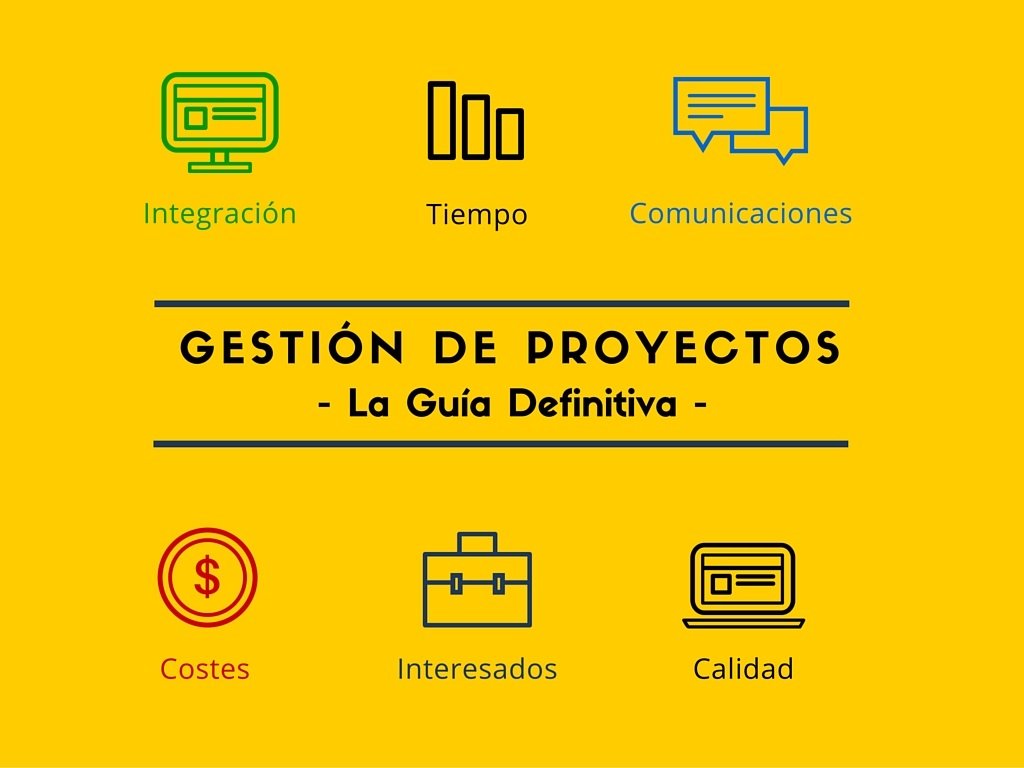
La Guía Definitiva de Gestión de Proyectos
El objetivo de esta guía, es ayudarte a ampliar y afianzar tus conocimientos sobre gestión de proyectos, tanto si eres nuevo en él área como si ya llevas años trabajando.
También es una excelente herramienta de apoyo si estás preparando el examen de certificación PMP – Project Management Professional, ya que te ayudará a complementar la información contenida en la Guía PMBOK Quinta Edición que es la base de estudio para la versión actual del examen de certificación.
La Certificación PMP es la acreditación en gestión de proyectos más extendida y demandada a nivel mundial.
Durante los próximos años la especialización en gestión de proyectos va a experimentar un importante auge y crecimiento. Según los estudios publicados por el PMI (Project Management Institute) entre el 2010 y el 2020 15,7 millones de puestos de trabajo con el rol de gestores de proyectos serán creados.
Actualmente en la mayoría de ofertas de trabajo de gestión de proyectos se requiere como requisito indispensable o muy recomendable estar certificado como PMP, y en muchos casos puede suponer un impacto diferencial en la carrera de un director de proyectos.
Por lo tanto si estás buscando especializarte en el área de gestión de proyectos o ya trabajas como gestor y quieres potenciar tu carrera profesional, la Certificación PMP es imprescindible en tu CV.
En la guía encontrarás recursos propios y de otros compañeros de profesión que habitualmente comparten sus experiencias y conocimiento en sus blogs, entre otros: Alejandro Acosta @aleco44 | Carlos J. Pampliega @CJPampliega | Alejandro J.Roman @RomtechPMP | Ana Aranda @anuskiaranda
Puedes leer la guía de principio a fin o emplear los links del índice de contenidos que encontrarás bajo estas líneas para consultar directamente el área de conocimiento en la cuál tengas interés.
Capítulo 1: Introducción a la Certificación PMP: Valor y Requisitos
El examen PMP está alineado con el RDS “Role Delineation Study ” que proporciona una actualización de la descripción del rol del gestor de proyectos en base a las perspectivas y realidades de profesionales de todas las industrias a nivel mundial, para seguir garantizando la validez y relevancia de la prueba.
El examen no se basa solamente en la guía del PMBOK (Project Management Body of Knowledge) sino que el contenido del examen está descrito en el PMP Examination Content Outline.
Además de la información contenida en el PMBOK, en el examen PMP pueden aparecer (y aparecen) preguntas que no están cubiertas en el mismo pertenecientes al cuerpo de conocimiento general en gestión de proyectos y que por lo tanto serán de difícil respuesta si no tenemos experiencia previa o hemos leído otros libros y materiales recomendados.
Por lo tanto uno de los objetivos principales de esta guía es complementar la información del PMBOK con artículos de calidad y referencias para que puedas ampliar tu conocimiento en el área de la gestión de proyectos y mejorar las posibilidades de éxito el día del examen.
Los siguientes recursos te ayudarán a entender el valor de la Certificación PMP y los requisitos de acceso a la misma:
Capítulo 2: ¿Como integramos todas las áreas y procesos de un proyecto?

Una de las áreas de conocimiento principales en gestión de proyectos es la integración.
Es el fin de todo gestor de proyectos, como un buen director de orquesta que consigue que todos los instrumentos estén coordinados y no desafinen. La misión del gestor de proyectos como figura integradora es conseguir que todas las áreas de conocimiento sean ejecutadas correctamente.
La Unificación, integración y consolidación son cruciales para conseguir los objetivos del proyecto y la satisfacción de los interesados del proyecto (stakeholders).
A continuación te dejo algunos recursos para que indagues y profundices en la integración:
Capítulo 3: Definamos el alcance o lo que es lo mismo: ¿Qué forma parte del proyecto y qué no?

Una gestión correcta del alcance de un proyecto incluirá todos los procesos necesarios para asegurarse que el proyecto incluya todo el trabajo requerido, y solo el trabajo requerido para completar el proyecto satisfactoriamente.
La gestión del alcance formar parte de una buena gestión de proyectos y es importante para:
- No hacer más de lo que se debe en un proyecto
- No hacer menos de lo que se debe en un proyecto
- No incurrir en gastos extras
- Controlar los cambios de alcance del proyecto
Capítulo 4: El tiempo es oro, aprende a gestionarlo como un profesional

La gestión del tiempo es un elemento importante en la gestión de proyectos para una correcta ejecución de las tareas del proyecto, e incluye las siguientes actividades:
- Definir y Ordenar las actividades dentro de un proyecto
- Determinar los recursos necesarios
- Determinar las duraciones de las actividades
- Desarrollar una planificación
- Controlar la planificación
Capítulo 5: ¿Cómo gestionar los costes del proyecto sin morir en el intento?

La gestión de los costes en un proyecto incluye la planificación, estimación, definición de presupuesto y control del coste para que el proyecto termine dentro del presupuesto establecido. Es una de las áreas del examen PMP que suelen causar más respeto, debido a que entran en juego varias formulas, conceptos y definiciones que no siempre son fáciles de entender.
Capítulo 6: Las mejores técnicas y herramientas para gestionar y controlar la Calidad

La Guía del PMBOK define la calidad como “el grado en el que el proyecto cumple con los requisitos”
Es un área importante en la gestión de proyectos e incluye todas las actividades dentro de la organización para determinar las políticas de calidad, objetivos y responsabilidades para que el proyecto satisfaga las necesidades para las que fue concebido.
Capítulo 7: Las personas y el equipo, aprende a gestionarlo y potenciar sus cualidades

Dentro de la gestión de recursos humanos del proyecto, aparecerían todos los procesos que organizan y gestionan el equipo de trabajo, entiendo como equipo de trabajo a todas aquellas personas con roles concretos en el proyecto (importante involucrarlos cuanto antes en las fases de planificación).
Capítulo 8: La mayor responsabilidad del Gestor de Proyectos: Comunicar – Técnicas y Estrategias

Según el PMBOK la mayor parte del tiempo el Gestor de Proyectos debería estar comunicando con los interesados, esto es con su equipo, sponsor, y demás figuras que se ven impactadas por el proyecto. Por lo tanto la comunicación es una de las áreas de conocimiento claves dentro de la gestión de un proyecto.
Lee los siguientes artículos para profundizar en esta área clave en la gestión de proyectos:
Capítulo 9: ¿Como eliminar hasta el 90% de riesgos de un proyecto?
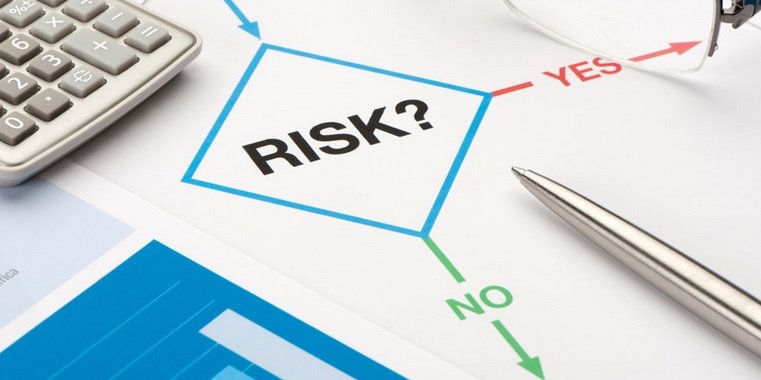
¿Que es un riesgo y como se gestiona?
Un Riesgo es cualquier suceso o evento incierto que si ocurre tiene impacto al menos sobre un objetivo del proyecto, como Alcance, Tiempo, Coste o Calidad. La gestión de riesgos son por tanto los procesos relacionados con la planificación, identificación, análisis, respuesta, monitorización y control de los riesgos de un proyecto.
Capítulo 10: ¿Necesitas algo y no lo tienes? Es hora de comprar – Gestiona las compras del proyecto

Si necesitamos algo externo a la organización, que no podamos generar nosotros mismos, necesitaremos comprar/adquirir ya sea un producto, servicio, etc.
Las compras en el proyecto serán pues los procesos para comprar o adquirir los productos, servicios o resultados necesarios fuera de la organización para llevar a cabo el trabajo.
El rol del gestor del proyecto en este área de conocimiento es el de:
- Conocer el proceso de aprovisionamiento
- Comprender cláusulas del contrato
- Gestionar el riesgo introducido en los contratos (transferencia)
- Colaborar con compras
Capítulo 11: Las mejores técnicas para gestionar a los interesados del proyecto

Los interesados (stakeholders) de un proyecto son las personas / organizaciones (clientes, patrocinadores, la organización del proyecto, entidades, asociaciones, etc.) cuyos intereses pueden verse afectados positiva o negativamente por la ejecución del proyecto. Es una de las áreas principales en gestión de proyectos, íntimamente ligada al área de comunicación.
Sobre los interesados:
- Crítico para el éxito del proyecto identificarlos cuanto antes
- Analizar sus intereses, expectativas e influencia
- Definir una estrategia para cada stakeholder identificado
Capítulo 12: Tips & Tricks para el día del examen

En este último capítulo de la guía os adjunto algunos consejos que espero que juntamente con el contenido de esta guía os ayude a ampliar vuestros conocimientos en el área de gestión de proyectos y mejorar vuestras opciones de superar con éxito el examen PMP en el primer intento.
The Definitive Guide to Project Management
The purpose of this guide is to help you broaden and consolidate your project management knowledge, whether you are new to the area or already working for years.
It is also an excellent support tool if you are preparing the PMP – Project Management Professional certification exam as it will help you to supplement the information contained in the PMBOK Fifth Edition Guide which is the study basis for the current version of the certification exam.
PMP Certification is the most widely used and globally accredited project management accreditation.
Over the next few years the specialization in project management is going to experience an important boom and growth. According to studies published by the PMI (Project Management Institute) between 2010 and 2020 15.7 million jobs with the role of project managers will be created.
Currently in most project management job offers, it is required as an indispensable or highly recommended requirement to be certified as PMP, and in many cases may have a differential impact on the career of a project manager.
So if you are looking to specialize in the area of project management or already work as a manager and want to enhance your career, the PMP Certification is essential in your CV.
In the guide you will find your own resources and other colleagues who usually share their experiences and knowledge in their blogs, among others: Alejandro Acosta @ aleco44 | Carlos J. Pampliega @CJPampliega | Alejandro J.Roman @RomtechPMP | Ana Aranda @anuskiaranda
You can read the guide from beginning to end or use the links of the index of contents that you will find under these lines to consult directly the area of knowledge in which you have interest.
Chapter 1: Introduction to PMP Certification: Value and Requirements
The PMP exam is aligned with the RDS «Role Delineation Study» which provides an updated description of the role of the project manager based on the perspectives and realities of professionals from all industries worldwide, to further ensure the validity and relevance Of the test.
The exam is not only based on the PMBOK (Project Management Body of Knowledge) guide, but the content of the exam is described in the PMP Examination Content Outline.
In addition to the information contained in the PMBOK, in the PMP exam questions may appear (and appear) that are not covered in the same pertaining to the body of general knowledge in project management and that therefore will be difficult to answer if we have no experience Previous or have read other books and recommended materials.
Therefore one of the main objectives of this guide is to complement the PMBOK information with quality articles and references so that you can expand your knowledge in the area of project management and improve the chances of success on the day of the exam.
The following resources will help you understand the value of the PMP Certification and the requirements for access to it:
Chapter 2: How do we integrate all the areas and processes of a project?
One of the main areas of knowledge in project management is integration.
It is the end of every project manager, like a good orchestra director who gets all the instruments coordinated and not out of tune. The mission of the project manager as an integrating figure is to ensure that all areas of knowledge are executed correctly.
Unification, integration and consolidation are crucial to achieving project objectives and stakeholder satisfaction.
Here are some resources for you to dig deep into integration:
Chapter 3: Define scope or what is the same: What is part of the project and what is not?
Proper project scope management will include all necessary processes to ensure that the project includes all the work required, and only the work required to complete the project successfully.
Reach management is part of good project management and is important for:
Do not do more than you should in a project
Do not do less than you owe in a project
Do not incur extra expenses
Control project scope changes
Chapter 4: Time is money, learn to manage it like a pro
Time management is an important element in the management of projects for the proper execution of project tasks, and includes the following activities:
Define and Sort activities within a project
Determine the necessary resources
Determine duration of activities
Develop planning
Control planning
Chapter 5: How to manage project costs without dying in the attempt?
The management of costs in a project includes planning, estimation, budget definition and cost control so that the project ends within the established budget. It is one of the areas of the PMP exam that tend to cause more respect, because several formulas, concepts and definitions come into play that are not always easy to understand.
Chapter 6: The Best Techniques and Tools for Managing and Controlling Quality
The PMBOK Guide defines quality as «the degree to which the project meets the requirements»
It is an important area in project management and includes all activities within the organization to determine the quality policies, objectives and responsibilities for the project to meet the needs for which it was designed.
Chapter 7: People and the team, learn to manage and enhance their qualities
Within the human resources management of the project, all the processes that organize and manage the work team would appear, I understand as a team all those people with specific roles in the project (important to involve them as soon as possible in the planning stages).
Chapter 8: The Greatest Responsibility of the Project Manager: Communicating – Techniques and Strategies
According to the PMBOK most of the time the Project Manager should be communicating with stakeholders, that is, with their team, sponsor, and other figures that are impacted by the project. Therefore communication is one of the key knowledge areas within the management of a project.
Read the following articles to dig deeper into this key area in project management:
Chapter 9: How to eliminate up to 90% risk in a project?
What is a risk and how is it managed?
A Risk is any event or uncertain event that if it occurs has impact at least on a project objective, such as Scope, Time, Cost or Quality. Risk management are therefore the processes related to the planning, identification, analysis, response, monitoring and control of the risks of a project.
Chapter 10: Do you need something and do not have it? It’s time to buy – Manage project purchases
If we need something external to the organization, that we can not generate ourselves, we will need to buy / acquire either a product, service, etc.
The purchases in the project will be the processes to buy or acquire the necessary products, services or results outside the organization to carry out the work.
The role of the project manager in this area of knowledge is:
Know the procurement process
Understand contract clauses
Manage risk introduced in contracts (transfer)
Collaborate with purchases
Chapter 11: Best techniques for managing project stakeholders
The stakeholders of a project are the people / organizations (clients, sponsors, project organization, entities, associations, etc.) whose interests may be affected positively or negatively by the project implementation. It is one of the main areas in project management, closely linked to the area of communication.
About the interested parties:
Critical to the success of the project identify them as soon as possible
Analyze your interests, expectations and influence
Define a strategy for each identified stakeholder
Chapter 12: Tips & Tricks for Exam Day
In this last chapter of the guide I enclose some tips that I hope together with the contents of this guide will help you to extend your knowledge in the area of project management and improve your options to successfully pass the PMP exam in the first attempt.[:]