

El transporte, es uno de los pilares principales de la economía, siendo esencial para la movilidad del comercio dentro y fuera de las naciones, por lo que la integración constante de innovaciones tecnológicas para mejorar su desempeño es de gran importancia. Sobre todo por otros factores que le conciernen como el medio ambiente, la infraestructura carretera y la optimización de costos entre otros.
En base a lo anterior, John A Volpe National Transportation Systems Center realizó una investigación sobre la tecnología que impactará a la industria de transporte denominado; 2015 OST-R Transportation Technology Scan: A Look Ahead, de cual les compartimos un extracto a continuación.
Según el documento, los principales retos a los que se enfrentará el transporte en el futuro cercano serán:
Los sistemas de transporte tendrán que adaptarse a una población creciente y a una economía en crecimiento.
La infraestructura tendrá que adaptarse y ser más resistente ante los efectos del cambio climático que continúan desarrollándose.
Las soluciones que surjan deben ser sostenibles con el medio ambiente, manteniendo o mejorando el acceso y la equidad social.
Este informe identifica las tecnologías emergentes y las aplicaciones innovadoras que pueden comenzar a tener un impacto significativo en los sistemas de transporte dentro de tres a cinco años. Colectivamente, podrían afectar a todos los modos de transporte en los Estados Unidos y permitir nuevos enfoques para la resolución de problemas que han afectado al transporte por años como la seguridad, la eficiencia de la red, y la movilidad para todos los usuarios.
A continuación siete tecnologías que revolucionarán al transporte:
1.- Internet of Things (IoT) o Internet de las Cosas. IoT significa vehículos conectados e infraestructura inteligente: por ejemplo, los sensores en los puentes que detectan la formación de hielo y alertan de vehículos que se aproximan. Esto también conduce a la integración del transporte inteligente (por ejemplo, la gestión del tráfico y estacionamiento) dentro de sistemas más amplios.
Para los conductores, el IoT significa sensores portátiles que combinan datos de GPS con datos fisiológicos. Los beneficios potenciales incluyen el monitoreo de alerta y las condiciones fisiológicas, en particular sobre la detección de la fatiga, los cuales se pueden obtener utilizando herramientas de planeación y optimización, cómo; Territory Planner, Resource Management suite y Roadnet, que integra LISTECH.
2.- Análisis avanzado. Esto significa un análisis del tráfico en tiempo real a través de sistemas mucho más sofisticados, pronósticos de tráfico y rutas predictivas mucho más precisas. Por ello es importante, integrar la más avanzada tecnología en mapeo y alertas por excepción como el módulo Operaciones.NET de ZAM 2016.
Dentro del vehículo, los sensores ya permiten a los operadores del sistema monitorear remotamente aspectos como el rendimiento, la ubicación, las cámaras de video, las advertencias de fallas y/o la salud del vehículo basado en esto, el módulo de Mantenimiento.NET de ZAM 2016 contempla un enfoque por excepción de la información de los sensores así como los mantenimientos predictivos y preventivos .
3.- Vehículos automatizados. Ya hemos visto que es posible la conducción de un camión de manera autónoma, en ésta el conductor puede entregar el control durante intervalos limitados en ciertas condiciones. Aunque la adopción generalizada de vehículos totalmente automatizados, sigue generando incertidumbre sin duda esta tecnología seguirá avanzando en los próximos años y hay que estar atentos.
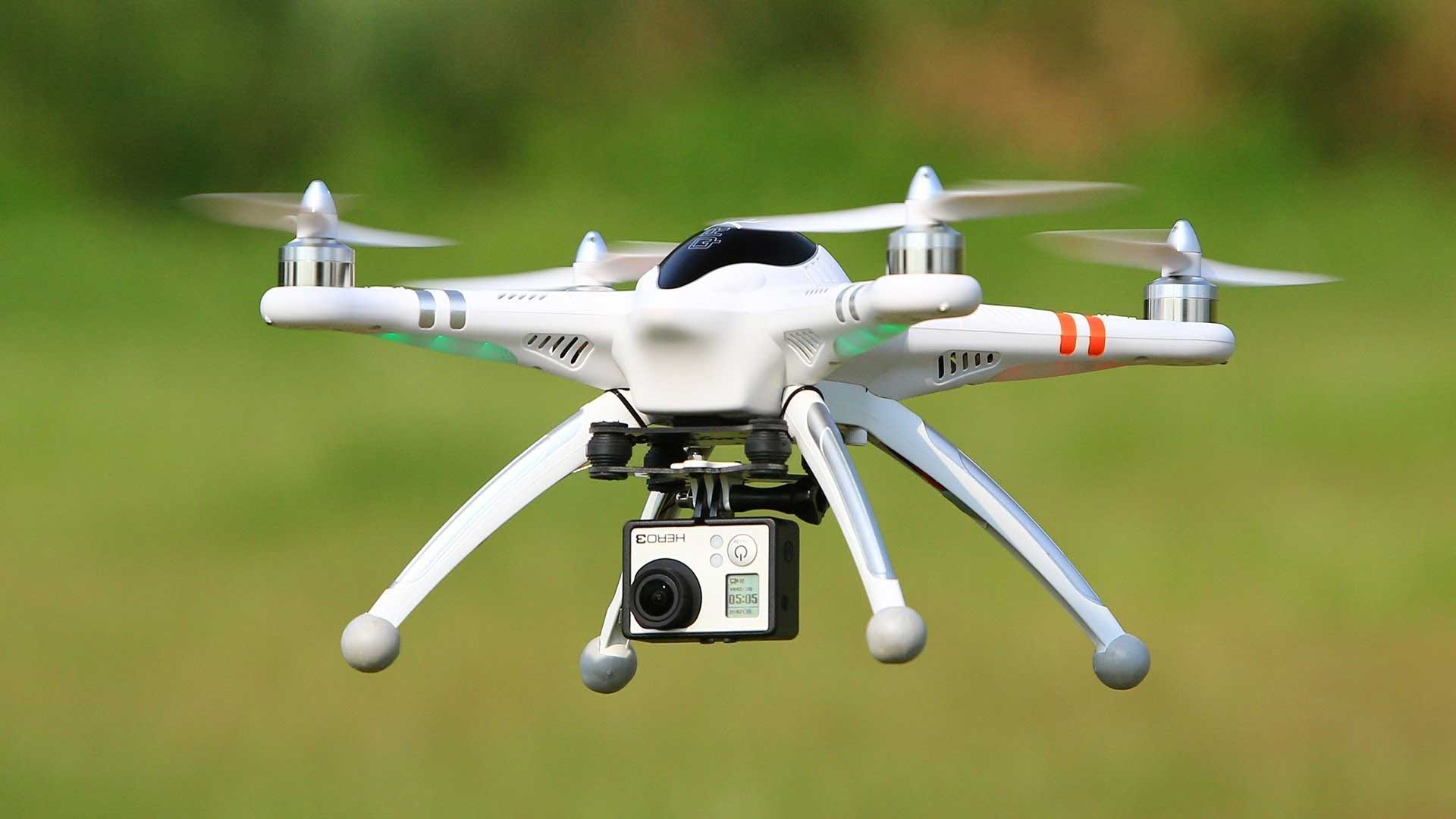
4.- Sistemas de aeronaves no tripuladas (drones). La cadena de suministro ha evolucionado en los últimos tiempos. Recientemente Amazon desarrolló un dron para la entrega de paquetes. Según el estudio podrían surgir aplicaciones similares como complemento a los servicios de transporte terrestre existentes en distancias cortas.
5.- Servicios a la carta u On-demand. Sistemas como Uber y Cabify, controlados a través de aplicaciones en los teléfonos inteligentes, han demostrado su efectividad. Se trata de un esquema que también puede funcionar para la transportación de mercancías, cómo la app Routech que aprovecha la misma tecnología celular con la que ya se cuenta y tomando en cuenta que tan solo en Estados Unidos se recorren más de 20,000 millones de millas al año con camiones vacíos.[:en]5 technologies that will impact transport in the coming years.
Transport is one of the main pillars of the economy, mobility is essential to trade in and out of the nations, so that the constant integration of technological innovations to improve is very important performance. Especially by other factors relating to him as the environment, road infrastructure and cost optimization among others.
Based on the above, John Volpe National Transportation Systems A Center conducted research on technology that will impact the transportation industry called; OST-R 2015 Transportation Technology Scan: A Look Ahead, in which they share an excerpt below.
According to the document, the main challenges that transport will face in the near future will be:
Transport systems have to adapt to a growing population and a growing economy.
The infrastructure will have to adapt and become more resilient to the effects of climate change continue to develop.
The solutions that emerge must be sustainable with the environment while maintaining or improving access and social equity.
This report identifies emerging technologies and innovative applications that may begin to have a significant impact on transport systems within three to five years. Collectively, they could affect all modes of transportation in the United States and allow new approaches to solving problems that have affected the transport for years as security, network efficiency, and mobility for all users.
Here are seven technologies that will revolutionize transportation:
1. Internet of Things (IoT) or Internet of Things. IoT means connected vehicles and intelligent infrastructure: for example, sensors on bridges that detect icing and warn approaching vehicles. This also leads to the integration of intelligent transportation (eg traffic management and parking) within larger systems.
For drivers, the IoT means portable sensors that combine GPS data with physiological data. Potential benefits include early warning and monitoring physiological conditions, in particular the detection of fatigue, which can be obtained using planning and optimization tools, how; Territory Planner, Resource Management and Roadnet suite, which integrates LISTECH.
2. Advanced Analysis. This means an analysis of real-time traffic through much more sophisticated systems, traffic forecasts and more accurate predictive routes. It is therefore important to integrate the latest technology in mapping and exception alerts as Operaciones.NET module ZAM 2016.
Inside the vehicle, sensors and allow operators to remotely monitor system performance aspects, location, video cameras, warnings of faults and / or health of the vehicle based on this, the module Mantenimiento.NET of ZAM 2016 contemplates an approach other than the information from the sensors and predictive and preventive maintenance.
3. Automated Vehicles. We have seen that it is possible driving a truck autonomously, in this the driver can hand over control for limited intervals under certain conditions. Although widespread adoption of fully automated vehicles, continues to generate uncertainty no doubt this technology will continue to advance in the coming years and we must be vigilant.
4. Unmanned Aircraft Systems (drones). The supply chain has evolved in recent times. Amazon recently developed a drone for package delivery. According to the study similar applications could emerge as a complement to existing land transport services within short distances.
5. Services on demand or on-demand. Cabify systems like Uber and controlled through applications on smartphones, have demonstrated their effectiveness. This is a scheme that can also work for transportation of goods, how the app Routech that uses the same cellular technology that already has and taking into account that only in the United States over 20,000 million miles are traveled to year with empty trucks.[:]